



KEY TAKEAWAYS
- Weak jobs data could increase expectations for earlier Fed cuts and shift capital toward equities.
- A softer dollar would normally support metals, yet risk appetite can reduce safe-haven buying.
- Gold reacts strongly to real yields, while silver often exaggerates price moves.
- ETF flows and futures positioning may reveal market conviction after the jobs release.
Weak labor data could pull forward Fed cuts, change dollar direction, and trigger fast swings across precious metals markets this week.
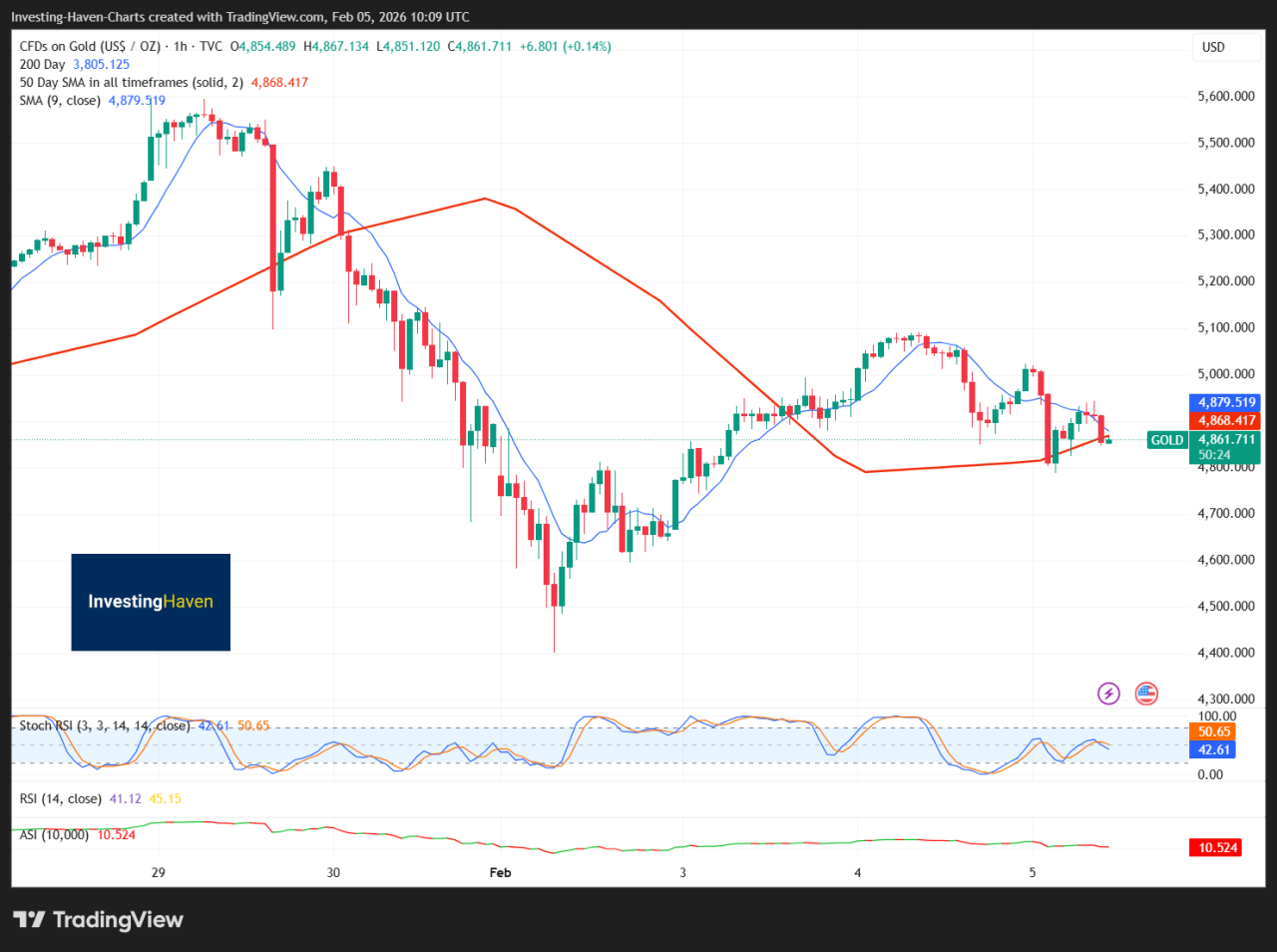
Markets entered the week with high expectations and fragile positioning. The U.S. Dollar Index trades around 97.7 after recent choppy sessions between 97.4 and 97.8, while gold holds close to $4,900 and silver fluctuates between roughly $79 and $91.
A Morgan Stanley analyst expects economic softness to push the Fed toward earlier rate cuts.
This would create a complicated setup for metals. Lower rates often help gold and silver, yet a strong risk rally could reduce safe-haven demand and limit gains.
RECOMMENDED: Gold Drops – Fed Rumor Sends Dollar Roaring – What’s Next?
Why Jobs Data Could Shift Rate Expectations
The jobs report remains the most influential short-term driver of interest rate expectations.
Traders expect any soft payroll number to increase bets on earlier Fed easing. Fed funds futures already reflect rising speculation about rate cuts later this year, so even moderate surprises could spark large repricing.
Markets will focus on three details: payroll growth, unemployment rate changes, and wage momentum.
A weak report with slower wage growth may lower real yields and support metals. A stronger report may reinforce a higher-for-longer rate outlook and strengthen the dollar.
The market reaction may unfold quickly within hours after the release. Investors should remember that early moves sometimes reverse once analysts digest revisions and wage details.
RECOMMENDED: Is Silver Headed Back to $50?
Dollar Direction And Why It Affects Metals
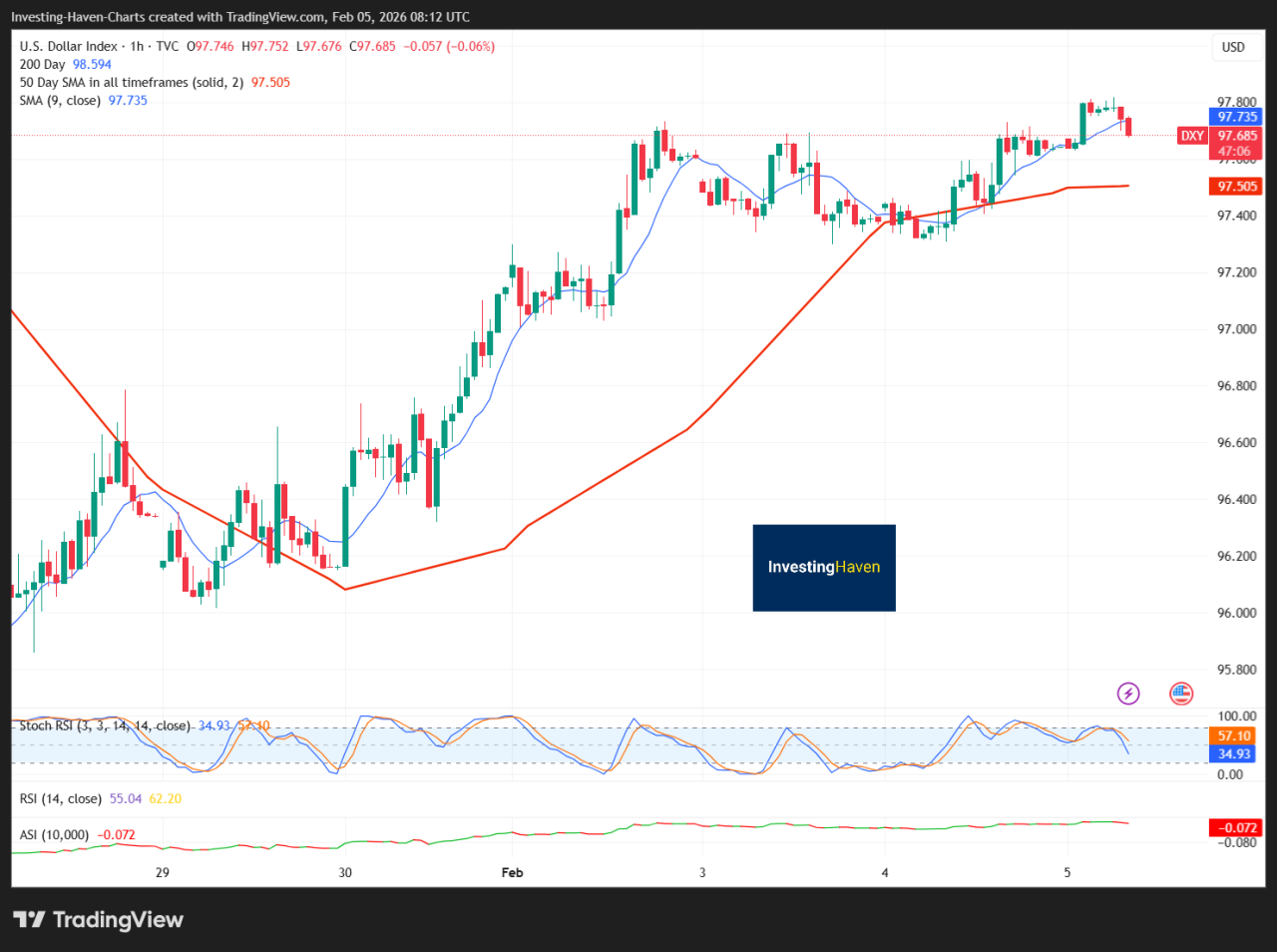
The dollar sits at a level that allows sharp movement in either direction. Rate cut expectations often weaken the dollar because lower yields reduce demand for USD assets.
A falling dollar typically lifts gold and silver because global buyers can purchase metals more cheaply.
However, the link is not always straightforward. Weak economic data can also trigger a surge in equities, which may reduce the appeal of safe-haven assets.
That said, real yields remain a key variable. If real yields fall sharply, gold may climb even if stocks rally. If real yields rise despite weak data, metals could struggle.
Therefore, watch both dollar movement and Treasury inflation-adjusted yields for a clearer signal. Don’t focus on one metric alone.
RECOMMENDED: JP Morgan Says Gold To Hit $6,300 By Year-End: Is Fiat Finished?
Gold Vs Silver: Two Possible Market Reactions
Scenario One: Weak Jobs Data
A large payroll miss could reinforce expectations of faster rate cuts. Treasury yields would likely decline, and the dollar could soften.
Gold may test resistance levels above $4,900 if real yields drop and investors seek policy-sensitive assets.
Silver could outperform on a percentage basis because traders often treat it as both a precious and industrial metal.
Strong equity markets might limit safe-haven flows, but falling real yields may still support prices.
ETF inflows into GLD and SLV would indicate growing confidence in a sustained rally.
RECOMMENDED: Silver: This Leading Indicator Shows Potential Massive Reversal
Scenario Two: Strong Or Stable Jobs Data
If the labor market shows resilience, expectations for immediate cuts may fade. Treasury yields could rise, and the dollar may strengthen.
That environment often leads to corrective pressure on metals.
Silver may fall faster than gold due to its higher volatility. Mining stocks and ETFs could weaken alongside bullion prices.
Traders should also consider positioning data because crowded long positions could amplify selloffs.
Even under a bearish reaction, geopolitical tension or inflation surprises could slow declines. Monitor follow-through in the days after the release since metals often reverse initial moves once broader macro data enters the conversation.
Practical Positioning Ideas For Traders
Event risk remains elevated during major data releases, so smaller positions may help manage volatility. Many traders stagger entries instead of committing capital immediately after the headline print.
Confirm direction with both real yield movement and dollar strength before chasing momentum. Defined-risk options strategies can help control downside exposure.
Finally, monitor ETF flows and futures open interest to understand whether institutional investors support a trend beyond the first reaction.
YOU MIGHT LIKE: How Shifting Debt Levels Are Driving Gold and Silver Prices
Conclusion
The jobs report could reshape rate expectations and drive sharp moves across currencies and metals.
Direction will depend on real yields, dollar strength, and investor appetite for risk versus safe-haven assets.
Should You Invest In Gold Or Silver Right Now?
Before you invest in Gold or Silver, you’re going to want to read our latest Premium Gold & Silver Investing alert. We reveal our outlook for Silver in the short and long term.
We called the rally in Gold long before it happened, and the week before the drop we suggested Gold could be primed for profit taking.
Our premium members were ahead of the curve, not panic buying or selling.